



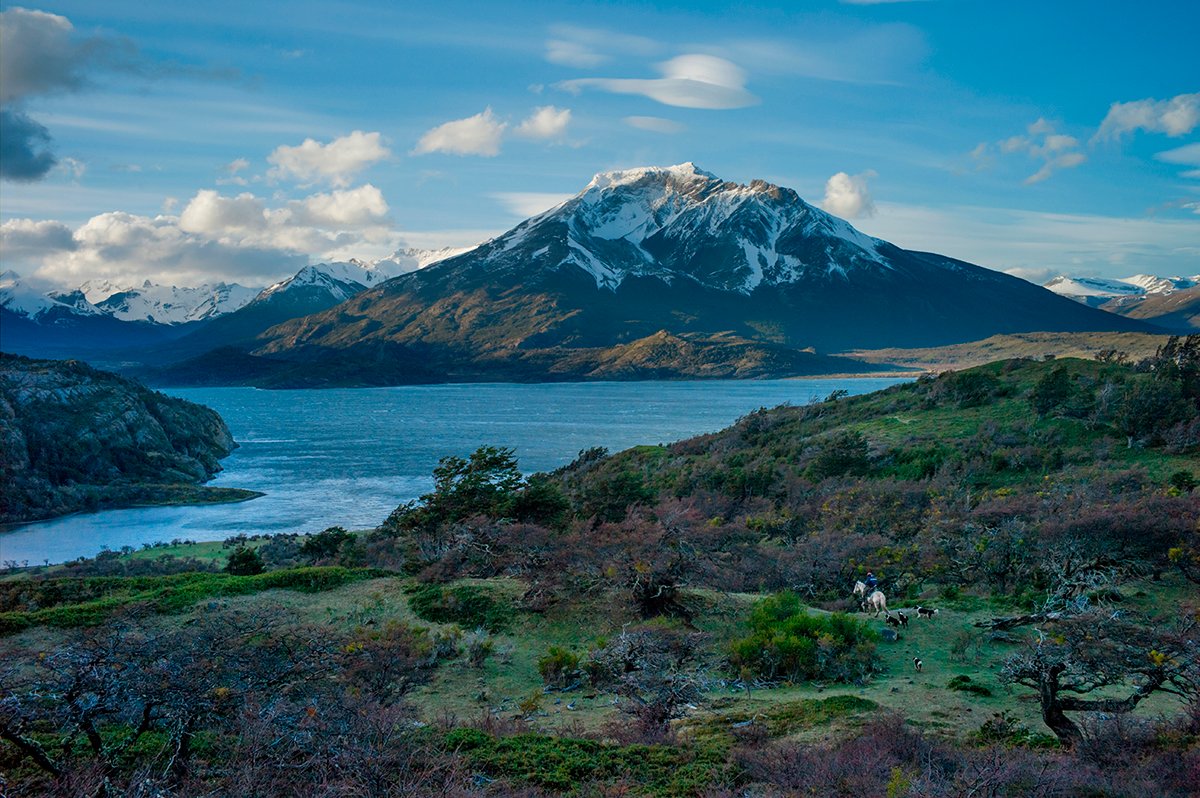
Regional/South America is one of the most exciting and colorful parts of the world. From high mountains to deep rainforests, and from busy cities to quiet beaches, Regional/South America offers something for everyone. Whether you love nature, history, food, or adventure, this region gives you endless choices. In this guide, you will learn about its geography, cultures, countries, famous landmarks, wildlife, food, economy, and travel tips. So, if you are curious about Regional/South America, keep reading because this article will explain everything in a simple and clear way.
Understanding Regional/South America and Its Geography
Regional/South America covers the southern part of the American continent, and it includes twelve independent countries. For example, Brazil, Argentina, Colombia, Peru, Chile, and Venezuela are part of this region. In addition, countries like Ecuador, Bolivia, Paraguay, Uruguay, Guyana, and Suriname also belong here. Because of its huge size, Regional/South America has many different climates and landscapes. You can find the Andes Mountains running along the west coast, while the Amazon Rainforest spreads across several countries. Furthermore, the region has long coastlines along the Atlantic Ocean and the Pacific Ocean, which means there are many beaches and ports.
The Countries That Shape Regional/South America
Regional/South America includes countries with unique identities, and each one adds something special to the region. For instance, Brazil is the largest country and speaks Portuguese, while most other countries speak Spanish. Meanwhile, Argentina is famous for tango and football, and Peru is known for its ancient Inca history. On the other hand, Colombia has beautiful coffee farms and colorful cities. Because every country has its own traditions and culture, Regional/South America feels like many worlds in one. As a result, travelers can enjoy different experiences without leaving the continent.
The Rich History of Regional/South America
Regional/South America has a long and powerful history. First, many Indigenous civilizations lived here thousands of years ago. For example, the Inca Empire ruled large parts of the Andes region. Then, in the 15th and 16th centuries, European explorers from Spain and Portugal arrived. Because of colonization, many cultures mixed together over time. Later, in the 19th century, most countries in Regional/South America fought for independence. Therefore, today’s societies are shaped by Indigenous roots, European influence, and African heritage. This mix creates a unique and vibrant identity across the region.
Natural Wonders in Regional/South America
Regional/South America is famous for its natural beauty. For example, the Amazon Rainforest is the largest rainforest in the world, and it is home to thousands of plant and animal species. In addition, the Andes Mountains offer breathtaking views and high-altitude adventures. Moreover, Iguazu Falls, located between Brazil and Argentina, is one of the most powerful waterfall systems on Earth. Because of its diverse ecosystems, Regional/South America attracts nature lovers from all over the world. Whether you enjoy hiking, bird watching, or simply relaxing in nature, this region offers unforgettable experiences.
Wildlife and Biodiversity in Regional/South America
Regional/South America is one of the most biodiverse regions on the planet. For instance, jaguars, sloths, pink river dolphins, and colorful parrots live in the Amazon. Meanwhile, llamas and alpacas roam the Andes Mountains. In addition, the Galápagos Islands near Ecuador are famous for unique species that inspired Charles Darwin. Because of these rare animals and plants, scientists study Regional/South America to understand evolution and conservation. Therefore, protecting this biodiversity is very important for the future of the planet.
Culture and Traditions in Regional/South America
Culture in Regional/South America is lively and full of energy. For example, music and dance play a big role in daily life. In Brazil, people celebrate Carnival with colorful costumes and samba music. Meanwhile, Argentina is famous for tango dancing. In addition, traditional festivals like Inti Raymi in Peru honor ancient traditions. Because families and communities value togetherness, celebrations often bring people together. As a result, Regional/South America feels warm and welcoming to visitors.
Food and Flavors of Regional/South America
Food in Regional/South America is delicious and diverse. For example, Brazil offers feijoada, a hearty bean stew with meat. Meanwhile, Argentina is known for its grilled beef and empanadas. In Peru, ceviche is very popular, and it includes fresh fish with lime juice. Because the region has many climates, farmers grow a wide variety of fruits and vegetables. In addition, coffee from Colombia and Brazil is famous worldwide. Therefore, exploring Regional/South America also means enjoying amazing food experiences.
Major Cities in Regional/South America
Regional/South America has many exciting cities. For example, São Paulo and Rio de Janeiro in Brazil are large and vibrant. Meanwhile, Buenos Aires in Argentina feels like a mix of Europe and Latin America. In addition, Bogotá in Colombia and Lima in Peru are growing cultural centers. Because these cities offer museums, restaurants, and nightlife, travelers can enjoy both modern life and traditional culture. Therefore, urban tourism plays a big role in Regional/South America.
Economy and Industry in Regional/South America
Regional/South America has a mixed economy with strong industries. For instance, Brazil exports soybeans, coffee, and iron ore. Meanwhile, Chile is known for copper mining. In addition, Argentina produces beef and wine. Because natural resources are abundant, many countries depend on agriculture and mining. However, tourism and technology sectors are also growing. As a result, Regional/South America continues to develop and connect with global markets.
Tourism Opportunities in Regional/South America
Tourism in Regional/South America grows every year. For example, adventure tourism attracts hikers to Patagonia and the Andes. Meanwhile, beach lovers visit Brazil and Colombia. In addition, history lovers explore ancient ruins in Peru. Because flights and infrastructure improve, traveling across Regional/South America becomes easier. Therefore, more people choose this region for vacations and cultural exploration.
Challenges Facing Regional/South America
Although Regional/South America offers many opportunities, it also faces challenges. For instance, deforestation threatens the Amazon Rainforest. Meanwhile, some countries deal with economic inequality and political instability. In addition, climate change affects glaciers in the Andes. Because of these issues, governments and communities work toward sustainable solutions. Therefore, the future of Regional/South America depends on smart planning and cooperation.
Education and Innovation in Regional/South America
Regional/South America invests more in education and innovation every year. For example, universities in Brazil and Chile conduct important research. Meanwhile, tech startups grow in cities like São Paulo and Bogotá. In addition, young entrepreneurs create digital solutions for local problems. Because technology connects people globally, Regional/South America becomes more competitive. Therefore, innovation shapes the region’s future.
Sports and Entertainment in Regional/South America
Sports play a huge role in Regional/South America. For instance, football is the most popular sport, and countries like Brazil and Argentina have won many World Cups. Meanwhile, basketball and volleyball are also growing. In addition, music festivals and film industries continue to expand. Because entertainment brings people together, Regional/South America maintains strong community spirit.
Why Regional/South America Matters Globally
Regional/South America matters on the global stage for many reasons. First, it holds large natural resources and biodiversity. Second, it contributes to global food supply through agriculture. Third, its cultural influence spreads worldwide through music, dance, and sports. Because of its strategic location and growing markets, Regional/South America plays an important role in international trade. Therefore, understanding this region helps us understand the world better.
Travel Tips for Exploring Regional/South America
If you plan to visit Regional/South America, preparation helps a lot. First, learn basic Spanish or Portuguese phrases. Then, research visa requirements and safety tips. In addition, pack according to climate because weather varies greatly. Because distances are large, plan flights carefully. Therefore, smart planning ensures a smooth and enjoyable trip.
The Future of Regional/South America
Regional/South America continues to grow and change. For example, renewable energy projects expand in Brazil and Chile. Meanwhile, eco-tourism becomes more popular. In addition, young leaders focus on social development. Because global attention increases, investment and cooperation also rise. Therefore, the future of Regional/South America looks promising if sustainability remains a priority.
Read more: Найкращі фільми жахів – добірка, яка не залишить вас байдужими
Conclusion
Regional/South America is a region full of life, beauty, and opportunity. From natural wonders to cultural celebrations, and from economic growth to global influence, this region offers endless stories. Because of its diversity and strength, Regional/South America continues to inspire travelers, researchers, and investors alike. Whether you explore its rainforests, dance to its music, or taste its delicious food, you will discover something unforgettable. Therefore, learning about Regional/South America opens your mind to a world of adventure and connection.