



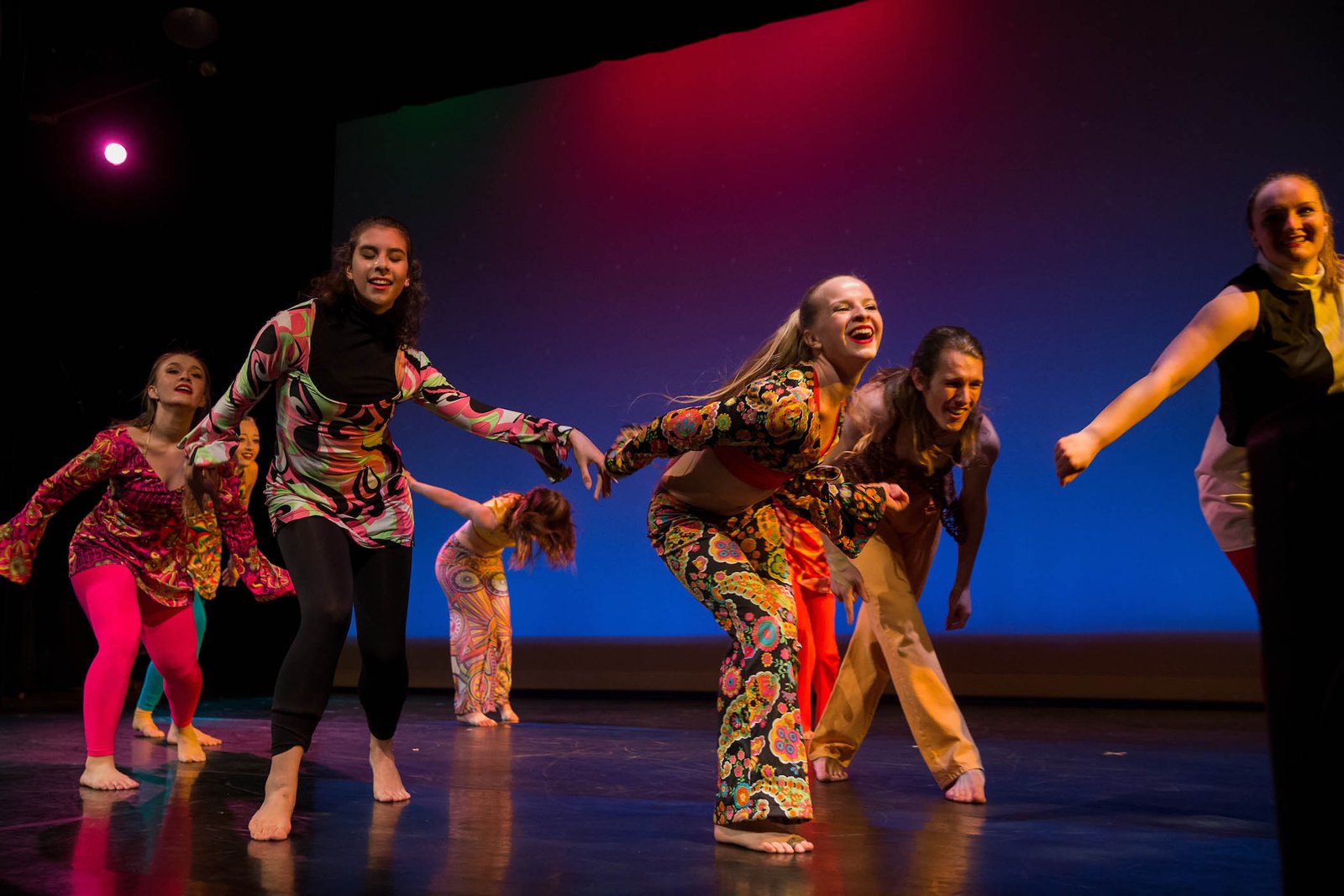
Arts/Performing Arts shape how people express feelings, share stories, and connect with others. From ancient times to today, Arts/Performing Arts have played a powerful role in culture, education, and entertainment. When people sing, dance, act, or perform on stage, they do more than entertain. Instead, they tell stories, build community, and inspire change. Because of this, Arts/Performing Arts remain important in every society around the world.
Although technology continues to grow, Arts/Performing Arts still bring people together in ways that screens alone cannot. For example, when you watch a live show, you feel the energy in the room. As a result, you connect deeply with the performers and the audience around you. Therefore, Arts/Performing Arts are not just hobbies. They are powerful tools for communication and creativity.
What Are Arts/Performing Arts?
Arts/Performing Arts refer to creative activities that artists present in front of an audience. These include theater, dance, music, opera, spoken word, magic shows, and live storytelling. Unlike visual arts, which you look at, Arts/Performing Arts happen in real time. Because they are live, each performance feels unique. Even if the same play runs for months, every show feels slightly different. Therefore, Arts/Performing Arts celebrate the beauty of the present moment.
The History of Arts/Performing Arts
Arts/Performing Arts have existed for thousands of years. In ancient civilizations, people used performance to honor gods, celebrate harvests, and tell legends. For example, ancient Greek theater introduced drama and comedy as public events. Meanwhile, traditional dances in Africa, Asia, and the Americas told stories of heritage and identity. Over time, Arts/Performing Arts grew into professional industries. As cities developed, theaters and concert halls became cultural centers. Therefore, history shows that Arts/Performing Arts have always been part of human life.
Major Types of Arts/Performing Arts
There are many forms of Arts/Performing Arts, and each one offers a different experience. Theater focuses on acting and storytelling through scripts. Dance uses body movement to express emotion and rhythm. Music combines sound, melody, and lyrics to move audiences. Opera blends singing and drama in powerful ways. Additionally, modern performance includes stand-up comedy, spoken word poetry, and performance art. Because there are so many types, Arts/Performing Arts offer something for everyone.
Theater in Arts/Performing Arts
Theater stands at the heart of Arts/Performing Arts. Actors perform plays on stage, while directors guide the story. Meanwhile, set designers, lighting experts, and costume creators work behind the scenes. Together, they create a complete world for the audience. When you watch a play, you see characters face challenges, celebrate victories, and grow through conflict. Therefore, theater helps people understand emotions and human behavior in deep ways.
Dance as a Core of Arts/Performing Arts
Dance is another powerful part of Arts/Performing Arts. Dancers use movement, rhythm, and expression to tell stories without words. Ballet shows grace and discipline, while hip-hop shows energy and creativity. Traditional dances reflect culture and history. Because dance connects body and music, it creates strong emotional reactions. As a result, audiences often feel joy, sadness, or excitement through movement alone.
Music and Arts/Performing Arts
Music plays a huge role in Arts/Performing Arts. Musicians perform in concerts, orchestras, bands, and solo shows. Singers use their voices to communicate feelings. Meanwhile, instrumentalists create harmony and rhythm. Live music performances feel powerful because the sound fills the space. In addition, music often brings people together at festivals and events. Therefore, Arts/Performing Arts use music as a universal language.
Film and Modern Arts/Performing Arts
Although film is recorded, it still belongs to Arts/Performing Arts because actors perform for an audience. Movies and television shows reach global viewers. As technology improves, filmmakers use special effects and creative storytelling to capture attention. However, the heart of film remains performance. Actors study characters, practice scenes, and express emotion just like theater performers. Therefore, modern Arts/Performing Arts include both live and recorded performances.
Why Arts/Performing Arts Matter in Society
Arts/Performing Arts matter because they reflect society. When artists perform stories about real issues, audiences think deeply about life. For example, plays often address topics like equality, justice, and love. Music can inspire hope during difficult times. Dance can celebrate identity and freedom. Because of this, Arts/Performing Arts create social awareness. In addition, they provide entertainment, which helps people relax and enjoy life.
Education and Arts/Performing Arts
Schools often include Arts/Performing Arts in their programs. Students join drama clubs, choirs, and dance teams. Through performance, young people build confidence and teamwork skills. When students perform on stage, they learn to speak clearly and express ideas. Moreover, Arts/Performing Arts improve creativity and problem-solving. Therefore, education systems value these subjects because they support personal growth.
Careers in Arts/Performing Arts
Arts/Performing Arts offer many career paths. Some people become actors, dancers, or musicians. Others work behind the scenes as producers, directors, or stage managers. Additionally, lighting designers, costume creators, and sound engineers play important roles. Because the industry is large, it includes marketing experts and event planners as well. Therefore, Arts/Performing Arts create jobs both on stage and behind it.
Skills Needed for Arts/Performing Arts
People who succeed in Arts/Performing Arts often develop strong skills. First, they practice discipline and dedication. Rehearsals take time and effort. Second, they build communication skills because performance requires clear expression. Third, teamwork matters because many performances involve groups. In addition, creativity helps performers bring new ideas to life. Therefore, Arts/Performing Arts teach skills that help in many areas of life.
Technology and Arts/Performing Arts
Technology continues to change Arts/Performing Arts. For example, digital lighting creates dramatic stage effects. Sound systems improve clarity and volume. Social media allows performers to reach global audiences. Moreover, streaming platforms make performances available worldwide. However, even with advanced tools, the human element remains central. Therefore, Arts/Performing Arts balance tradition and innovation.
Community Impact of Arts/Performing Arts
Communities benefit greatly from Arts/Performing Arts. Local theaters bring people together. Festivals celebrate culture through music and dance. As a result, neighborhoods feel connected and proud. Furthermore, community performances allow young artists to showcase talent. Therefore, Arts/Performing Arts strengthen social bonds.
Challenges in Arts/Performing Arts
Although Arts/Performing Arts bring joy, they also face challenges. Funding can be limited, especially for small theaters. Competition remains high in entertainment industries. In addition, performers often deal with rejection. However, passion drives artists forward. Because they love their craft, they continue despite obstacles. Therefore, resilience becomes an important quality in Arts/Performing Arts.
The Future of Arts/Performing Arts
The future of Arts/Performing Arts looks exciting. Virtual reality and digital stages offer new possibilities. At the same time, live performances remain popular because people crave real connection. Younger generations bring fresh ideas and diverse stories. Therefore, Arts/Performing Arts will continue to evolve while keeping their emotional power.
How to Support Arts/Performing Arts
You can support Arts/Performing Arts in many ways. First, attend local performances and buy tickets. Second, share events on social media. Third, encourage children to explore creative activities. Additionally, donate to community arts programs when possible. Because support builds strong artistic communities, every small action helps.
Arts/Performing Arts and Personal Growth
Participating in Arts/Performing Arts builds self-confidence. When someone steps onto a stage, they face fear and overcome it. As a result, they grow stronger mentally. Moreover, performing teaches patience and practice. Therefore, Arts/Performing Arts help individuals discover their strengths and passions.
Cultural Diversity in Arts/Performing Arts
Arts/Performing Arts reflect cultural diversity around the world. Traditional dances, folk songs, and regional theater styles show unique identities. At the same time, global collaboration brings different cultures together. Because artists share ideas across borders, audiences experience new perspectives. Therefore, Arts/Performing Arts promote understanding and respect.
Read more: Пароніми це ключ до правильного мовлення та розуміння слів
Conclusion: The Lasting Power of Arts/Performing Arts
Arts/Performing Arts continue to shape human experience in powerful ways. They entertain, educate, and inspire. Although society changes, the need for storytelling and expression remains strong. Therefore, Arts/Performing Arts will always hold value in communities worldwide. Whether you perform on stage or watch from the audience, you take part in something meaningful. In the end, Arts/Performing Arts remind us that creativity connects us all.